Every day we make many choices--together those choices will Make a Difference.

Saturday, February 18, 2012

SOY, Have You Heard the News?

Did you know? The Mighty Soybean comes from a very large legume family; Black Beans, Navy Beans, Lentils, Peanuts, Fava Beans, and Snow Peas.  But truthfully, the Soybean is definitely the overachiever in the family because if offers ISOFLAVONES!


Isoflavones may help protect against several chronic diseases including osteoporosis, coronary heart disease and certain forms of cancer.  So there is great reason to~

Soy a Little Love to Your Health! 

Soy foods have been a part of Asian diets for centuries. Today, there is a growing interest in these foods among westerners because of their health benefits and also because their versatility makes them valuable for replacing meat and dairy foods in the diet.
Soybeans provide excellent nutrition and contain a number of components that may be responsible for a variety of health benefits. However, most of the interest in soy is due to their isoflavone content. Isoflavones have been rigorously studied for their above mentioned protective effects against several chronic diseases including osteoporosis, coronary heart disease and certain forms of cancer.

Soybean Nutrition
Soybeans are unique among legumes, a group of foods that includes beans, peas, and lentils, because they are much higher in protein and healthy fat than other beans, and lower in carbohydrates. The fat in soybeans is primarily a combination of heart-healthy essential polyunsaturated omega-6 and omega-3 fatty acids. This makes soybeans one of the few plant foods to provide both of the essential fatty acids. The carbohydrates in soy are comprised primarily of simple sugars that have been shown in some studies to act as pre-biotics, thereby stimulating the growth of healthy bacteria in the colon. Soy foods are well digested, and are good sources of protein, B-vitamins and minerals such as potassium, iron, and calcium.

Soy and Health Benefits
Research suggests that incorporating soy into the diet may:
  • Boost HDL-cholesterol
  • Decrease LDL-cholesterol (the bad cholesterol!)
  • Lower Blood Pressure
  • Promote artery health
  • Help reduce bone fractures in postmenopausal women
  • Reduce severity & frequency of hot flashes (by 50%)
  • Lower the risk of prostate cancer
  • Help decrease breast cancer risk
Set a goal to consume about 15 to 25 grams of soy protein per day, or roughly 1 to 3 servings.  Add a little Soy to your health.  Your body will thank you in many ways! 

Of course no single food can prevent all diseases, but smart diet and lifestyle choices can have a big impact on disease risk. Soy foods offer a simple and appealing way to begin making smart changes. While grains, legumes and certain vegetables provide small amounts of isoflavones, soybeans provide a more concentrated amount of isoflavones than any other food.

Products made from soybeans include tempeh, natto, miso and tofu. Soybeans picked and eaten in their natural green state are called edamame. Other sources of soy include soy milk, soy yogurt, soy cheese and soy-based meat substitutes, and soy powdered mix.  When choosing Soy products, I suggest avoiding GMO (genetically modified organisms) for a variety of reasons and suggest choosing organic when possible.

I have fallen in love and have used the Shaklee Soy Protein for over 25 years! I love them as their powders mix well, offer a healthy low-fat, non-GMO, complete protein containing all 9 essential amino acids. They offer 23 grams of healthy soy protein per serving, 23 vitamins and minerals, antioxidants, omegas, and offers 6g of fiber. 

They are a delicious way to fuel your body with high-quality & healthy protein. And as an added bonus- hour after hour, they offer a measurable energy lift!  Our powders also make a deliciously healthy meal or snacks. See below or use link to find a simple & delicious smoothy recipe!

Pumpkin Pie Bliss using Shaklee Vitalizing Protein™

Minty Green Power Shake with Shaklee Vitalizing Protein™

Wishing you a Soy happy day.

Want to learn more about Soy and Clinical Research? Click link to review info by Dr. Messina, PhD, MS

Friday, February 17, 2012


"Rise and Shine!"  
 
Have you heard? Vitamin D known as the, "Sunshine Vitamin" can boost the body's ability to ward off infections, contribute to a strong and healthy heart, help prevent several forms of cancer and protect against autoimmune diseases and diabetes?


Vitamin D is known as the "sunshine" vitamin because it is formed in the body by the action of the sun's ultraviolet rays on the skin. The fat-soluble vitamin is converted in the kidneys to the hormone calcitrol, which is actually the most active form of vitamin D. Decreased vitamin D intake along with not enough sunlight exposure can cause a vitamin D deficiency.
  
Americans aren’t getting enough vitamin D. In fact, recent research studies suggests that up to 80% of people in the U.S. have insufficient levels of this essential nutrient, which offers a multitude of health benefits. 

Why? Lack of sun exposure. Vitamin D is considered the “sunshine vitamin” because it’s produced as sunlight touches your skin. Our busy workdays keep us indoors most of the time, preventing us from seeing much of the sun. And protective covering such as sunscreens and clothing inhibit vitamin D synthesis. 

While modifying your diet is another way to up your vitamin D intake, most people don’t get enough vitamin D from diet alone. Are you getting enough?


Take this short quiz to see if you are getting enough Vitamin D


Add some sunshine to your day—and your health! Vitamin D plays a major role in protecting your health and is vital for overall well-being. Boost your level of vitamin D with Shaklee Vita-D3 Our vitamin D supplement contains 1,000 IU of high potency vitamin D3, the most potent form of vitamin D.  

Studies show Vitamin D helps:
  • Support healthy heart function
  • Promote Immune System Health
  • Facilitate Healthy Cell Development
  • Maintain Strong Bones
  • Chases away the blues
  • Prevent Several Forms of Cancers
  • Ward off Parkinson's Disease
  • Want to learn more? Check out Additional info & tips from the AARP 
Open up a bottle of sunshine today!

To your health~


Thursday, February 16, 2012


Garlic Beneficial in Reducing Risk of Cardiovascular Disease.
Garlic Love--Yum!


Study Source: Journal of the Science of Food and Agriculture


Cardiovascular disease or heart disease is a class of diseases that involve the heart or blood vessels (arteries and veins). There are several risk factors for cardiovascular disease that are essentially immutable. These are older age, male gender, and a family history of CVD. Additionally, three major risk factors identified include cigarette smoking, dyslipidemia (high cholesterol), and hypertension. Other identified factors associated with increased risk for cardiovascular disease include physical inactivity, sleep problems, diabetes mellitus, rheumatoid arthritis, obesity, excessive intake of alcohol, thrombotic and fibrinolytic factors, elevated homocysteine levels, certain infections and inflammation, exogenously administered estrogens and androgens, certain psychosocial factors, increased fasting glucose and frequency of migraines. The synergism of the presence of multiple risk factors must also be considered.

From immune enhancement to cancer prevention, garlic may support health in many ways. What many people don't know, however, is that there is some controversy about the most effective form of garlic people should take. One of the biggest concerns about garlic is whether it is still active by the time it gets to the shelf for purchase. It is important to select a garlic product that guarantees potency. Keep in mind that raw garlic is more potent than cooked garlic, because heat inactivates the enzyme allinase. Allinase gives garlic its odor and stimulates the formation of allicin, which scientists believe may be the key to garlic's health-enhancing properties.

A meta-analysis published in the Journal of the Science of Food and Agriculture investigated garlic's potential role in reducing cholesterol and triglyceride levels. The scientists identified a total of 26 randomized, double blind, placebo controlled studies to be included in the meta-analysis. The researchers found that different preparations of garlic had different effects, with dried garlic products affecting mostly cholesterol levels and fresh garlic preparations affecting triglyceride levels more. All results were dramatically better the longer the patients were including garlic in their treatment plan. These results indicate garlic could be an effective treatment for lowering cholesterol and triglyceride levels for patients with a history or risk of cardiovascular disease, especially as a long term strategy.1

So if you LOVE garlic then be sure to add it to your favorite dishes of pasta, rice, noodles, in stir fries, potatoes, casseroles, etc.  And if you are not so fond of garlic or worried about the garlic odor, then taking garlic supplements might be more up your alley.  I have found that many people enjoy the Shaklee Garlic Complex as it offers a unique formula that combines the natural garlic with spearmint and rosemary.

To your health! 
1 Zeng T, Guo FF, Zhang CL, et al. A meta-analysis of randomized, double-blind, placebo-controlled trials for the effects of garlic on serum lipid profiles. J Sci Food Agric. Jan2012.

Wednesday, February 15, 2012

Taking Stain Drugs?  Information you must know:

Statin drugs reduce CoQ10- levels

Yes, studies have proven that Statins, commonly prescribed cholesterol-lowering medications (a few common prescriptions pictured above), lower LDL ("bad") cholesterol.  But did you know, they also inhibit the body's natural production of coenzyme Q10 (CoQ10)?  In fact, statins have been reported to reduce CoQ10 levels in the blood by up to 50%.  Why should you care?  Well, CoQ10 is naturally present in all cells of the body and is vital for cellular energy production-especially in the heart.  Without adequate levels of CoQ10, energy production in cells would declines, and the function of the heart would be seriously compromised.
The Good News:
  • Supplementing with 100mg of CoQ10 per day helps replenish CoQ10 levels reduced by stating use.

CoQ10 may help reduce stain-induced muscle pain
Although statins are highly effective at lowering LDL cholesterol, their use does not come without potential side effects, including muscle aches and rare but serious muscle damage.  Preliminary research suggests that CoQ10 supplementation may help reduce muscle pain. More Good News:
  • In a preliminary study, statin users reported a 40% decrease in stain-induced muscle-pain intensity after taking 100 mg of CoQ10 for 30 days.

CoQ10 helps protect against LDL cholesterol
CoQ10 is also known for its potent antioxidant activity and, as a result, helps protect arteries from damaging effects of oxidized LDL cholesterol. Oxidized LDL cholesterol is thought to damage blood vessels and may trigger the development of arterial plaque.  The build-up of plaque leads to the narrowing of arteries and eventually can block blood flow to the heart and brain, causing heart attach or even stroke.

Want to know more about Coenzyme Q10?

Coenzyme Q10 (CoQ10 ) is a fat-soluble nutrient produced in the body and present in all cells. Higher concentrations of this nutrient are found in organs that work extra hard and require a significant amount of cellular energy to function, such as the heart, the liver, the kidneys, and the pancreas.

CoQ10 is vital to the trillions of cells in the body that must make their own energy to survive. To make energy, cells burn sugars and fats that come from the foods we eat. These nutrients are broken down and carried through an energy-producing pathway that requires CoQ10. This energy-producing process is repeated thousands of times a second and fuels your beating heart and other body organs that require a continuous flow of energy. Without CoQ10, cells would not be able to produce energy and organs would not be able to function properly.

CoQ10 is also known for its potent antioxidant activity, protecting cell membranes from free radicals. As an antioxidant, CoQ10 helps protect arteries against the oxidation of low density lipoproteins (LDL). This is important as it helps promote the function of blood vessels, including those that transport blood to the heart.

So where do I get a CoQ10 product & are they all the same? 

Taking a Coenzyme Q10 supplement product daily is vital for energy production in the heart and promotes and protects healthy arteries, using a product with resveratrol helps relax blood vessels to promote healthy blood flow.

Not all supplements are created equally.  Look for a natural product free from any artificial ingredients, colorings, synthetics, and most importantly; offers clinically tested ingredients, from a company you can trust.

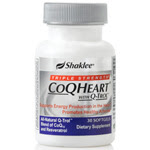
.....And that's what makes Shaklee CoQHeart unique!
  • Contains a proprietary blend of CoQ10
  • Contains Resveratrol, ingredient that helps produce energy to power your heart
  • Heart-healthy olive oil delivery system
  • All natural


Natural, Potent, Clinically Proven CoQ10 Heart Product by Shaklee: 
http://gaskell.myshaklee.com/us/en/products.php?sku=20685

Wishing you a Happy, Heart Health month and all year long!  

Show your Heart some Love! 

10 tips on preventing the Leading Cause of Death in the US.

 Be Good to Your Heart!

heart

Heart disease is the leading cause of death in the United States. In fact, every 26 seconds, someone living in the United States suffers a heart attack, and every minute one person will die from a heart attack. But, there is good news - we know more and more about how to prevent heart disease. It is well within your power to reduce your risk for heart disease because it's all about diet and lifestyle!

Here’s a top 10 list of tips from Dr. Jamie McManus MD, FAAFP, Chair, Medical Affairs and Education to help you promote a strong and healthy heart.


1. Eat more fruits, vegetables and whole grains
One of the best weapons for fighting off heart disease is eating a healthful diet. So forgo the hamburger and French fries and fuel up on whole grains and plenty of fresh fruits and vegetables.

2. Lose weight, especially belly fat
Excess belly fat has been linked to high cholesterol, triglycerides and blood pressure. Losing just 5% - 10% of your body weight can make a big difference in reducing heart disease risk.

3. Boost your vitamin D intake
Vitamin D helps build and maintain strong bones, but recent research suggests it may also play a role in heart health. If you’re like most Americans and not getting enough from your diet or sun exposure, supplements can be a great option.Natural Vitamin D available on-line

4. Consume more fish rich in Omega-3 fatty acids
Omega-3 fatty acids found in fatty fish help reduce risk factors for heart disease, including high triglycerides and high blood pressure. The American Heart Association recommends consuming two servings of fish per week. Consider fish oil supplements, especially if you don’t eat fish.

5. Consider CoQ10
Coenzyme Q10 (CoQ10) is a fat-soluble, vitamin-like substance vital for energy production especially in the heart. As an antioxidant it also helps promote healthy arteries. While your body does make CoQ10, factors such as aging, poor diet and the use of statin drugs for cholesterol lowering may increase the body’s need for CoQ10. All natural CoQ10 available on-line

6. Move more – aim for 30 minutes a day, at least 5 days of the week
Regular physical activity promotes a healthy heart. It helps lower blood pressure and cholesterol, helps control weight, reduces anxiety, and improves blood circulation.

7. If you are a smoker, get help to stop today!
Cigarette smoke can damage your heart and blood vessels as well as increase your risk for many cancers. When it comes to heart disease prevention, any amount of smoking is bad.

8. Don’t forget regular health screenings
High blood pressure, high cholesterol and high blood sugar are all risk factors for heart disease. Talk to your doctor today about these important health screenings.

9. If you drink alcohol, do so in moderation
Moderate alcohol intake may help reduce the risk of heart disease. Moderate drinking is defined as one drink a day for a woman and two drinks a day for a man.

10. Take time to de-stress
Over time, chronic stress can wreak havoc on our bodies - slowing digestion, weakening immune function and increasing the risk of heart disease and other chronic conditions. So take time to de-stress your life. Think about what you truly must get done, set priorities, and learn to say “no.” Need some additional help dealing with stress?  Try:  All Natural, Non-addictive, Safe Stress Relief Tables by Shaklee

I hope you found these heart healthy tips useful!  Now don't keep them to yourself!  Be sure to share this information with someone you love-It could change their life.

To your health~

Tuesday, January 24, 2012

de·tox :  The "Cleaning" job you can't ignore!

While It's certainly not spring cleaning season, most of us do a thorough cleaning of our home now and then. We dust behind the tv, vacuum the corners, sort out closets, clean behind the refrigerator (this is really a note-to-self, must move fridge!), etc. Why? We know that once in awhile, no matter how well we maintain our home on a regular basis, we need to deep clean it, not only to give it a facelift, but to preserve its beauty and extend its life!

Why not have the same attitude about your body? In other words, once in awhile, its a good idea to shake it up, clean it out, throw off the toxins and start from scratch... to give your cells a facelift and preserve their life potential. Why is this so important? Just like your home, your body accumulates waste products from your food, water, air, etc., and if you don’t take measures periodically to clean out the toxins, they can accumulate in your organs, fat, liver, intestines and bloodstream, interfering with the healthy functioning of your body.


Do YOU need to detox?


  • People who are burdened by a toxic overload will demonstrate numerous symptoms. Symptoms that may be overlooked or even ignored, but never-the-less, a warning sign from their body. Signals that you may need to undergo detoxification include: 
      • chronic respiratory problems, asthma, or sinus problems; abnormal body odor, bad breath, or coated tongue; frequent unexplained headaches, back or joint pain, or arthritis; environmental sensitivities, food allergies, or multiple allergies; poor memory, mental confusion, insomnia, depression, irritability, or chronic fatigue; brittle nails and hair, psoriasis, or adult acne; and being under- or over-weight.

If you’ve never tried detoxifying your body, you’re in for a pleasant surprise. Following a cleansing program can produce more energy than you’ve had for years, take off several unwanted pounds, get a sluggish digestion back on track, increase the absorption and effectiveness of your supplements, and can even make those little aches, pains and worrisome symptoms diminish or disappear. If you can do a little cleansing on a regular basis, once every couple months or so, the health benefits can be absolutely tremendous!

If you are interested in detoxing, you might be asking, What products should I use and how long should I detox?

As you may know, I trust, recommend, and use the Shaklee products for a variety of reasons including; they are clinically proven, safe, have been in business for 55+ years, and offer a 100% money back guarantee.

That said, there are a variety of Shaklee products and combinations that people have used over the years, but this system seems to be the one that peeps stick with the most:   It consists of just 6 products: Get Clean Water, Alfalfa, Herb-Lax, Liver DTX,  Fiber, and Optiflora.

 
The first and most important “supplement” to take while detoxifying your body is...water from your Get Clean Water Pitcher. A copious amount of clean water will flood the cells and organs, allowing them to flush out toxins that have accumulated. Water helps your digestion and elimination, makes the skin look younger and more vital, and helps keep the liver and kidneys in a healthier state. And remember NO lead, NO BPA, & lots of other nasties are removed from Shaklee's unique water pitcher.


ALFALFA, which means, "father of all foods" offers a storehouse of nutrients!  And at Shaklee, we use only the finest alfalfa grown in California, ensuring a wide range of nutrients, including calcium, phosphorus, and magnesium, as well as chlorophyll, bioflavonoids, trace minerals, and vitamins.   Alfala is a natural diuretic and helps with bad breath, ulcers, PMS, fatigue, arthritis, acne, blood pressure & more.


Herb-Lax

Herb-Lax naturally and gently cleanses toxins from the entire body including the liver, gall bladder, digestive tract, colon and even the bloodstream. Unlike other laxatives that can paralyze the delicate cilia in the intestines and create laxative dependency, the nine natural herbs in Herb-Lax are so good for you that they actually strengthen the digestive system!


Liver DTX


The bad news is... a mal-functioning liver means big trouble... ranging from symptoms like fatigue, depression, acne, bad breath, psoriasis and other rashes, food allergies, itching, headaches, gas and bloating to more serious conditions such as cancer, premature aging, lupus, arthritis and Parkinson’s, to name a few.

The good news is... the liver responds better than any other organ to proper treatment. In fact, the liver is the only organ that can completely regenerate itself, even if it’s been severely damaged. And that’s where milk thistle... the liver’s best friend... can do so much.

This powerful herb, found in Liver DTX, not only protects the liver from damage, it actually stimulates the growth of healthy new cells! Liver DTX also contains Schizandra seeds and Reishi mushroom (both antioxidants), along with dandelion, turmeric and artichoke (gall bladder tonics).

Fiber Plan

Worldwide, colorectal cancer is the third most common cancer, with 1.2 million new cases diagnosed every year. Research suggests that if you have sluggish digestion or constipation, deadly toxins have much longer contact with the intestines and colon, leading to increases in the incidence of this frightening disease.

A brand new scientific study... as part of the World Cancer Research Fund/American Institute for Cancer Research's Continuous Update Project (CUP)... has found that each 10 g/day increase in intake of total dietary fiber and cereal fiber is linked to a 10% reduction in risk of colorectal cancer!

Optiflora

The friendly bacteria in Optiflora can suppress toxins in the colon as well as the metabolic toxins released by other microbes in the gut. They can also lower toxicity in the body as a whole. With 70%-80% of your Immune System in the Gut, this product is a must for those looking to improve their overall health.


Tips for Success:

Drink your water all day
Use recommended amount of supplements as directed on each product
Take Shaklee Fiber (powder or tablet) and Optiflora anytime during the day
Take Alfalfa and Liver DTX throughout the day
Take the Herb-Lax at night because it will make you "go" 6-12 hrs later.
Do the program for 1 month


Great tips during detoxing and beyond:

In addition to drinking enough water (take your body weight and divide in half.  The number you come up with is the number of ounces in water to be drinking every day. Example: 180lb person would drink 90 ounces of water daily-or about 11 cups.)  You may also cut down on fatty meats and foods, eliminate fast and junk foods and eat more raw & fresh frutis, veggies, nuts, beans, and food rich in fiber.


Please feel free to contact me with any additional questions/comments about Detoxing or any of the Shaklee products.

To your health & wealth,